
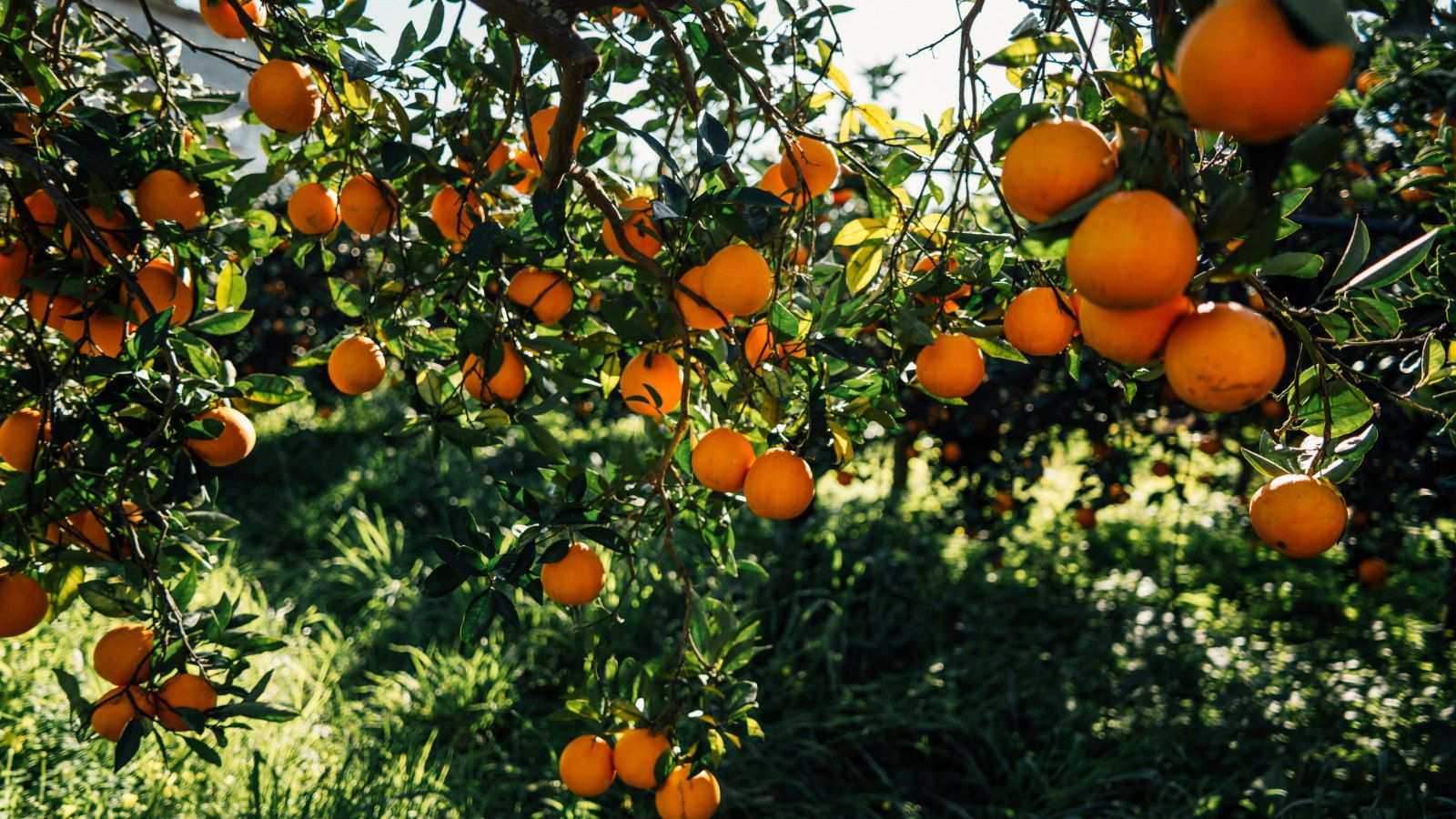
Orange trees are low-maintenance fruit trees, but pruning is crucial to maintain their health and shape. Regular trimming guarantees a fantastic annual harvest of sweet and fragrant oranges.
Having grown and cared for citrus trees, including orange trees in pots in the UK climate, I can attest that they require only minimal pruning each year.
Whether you grow orange trees in the ground or containers, regular pruning pays dividends. The following six steps cover when and how to prune an orange tree for healthy, fruitful citrus trees.
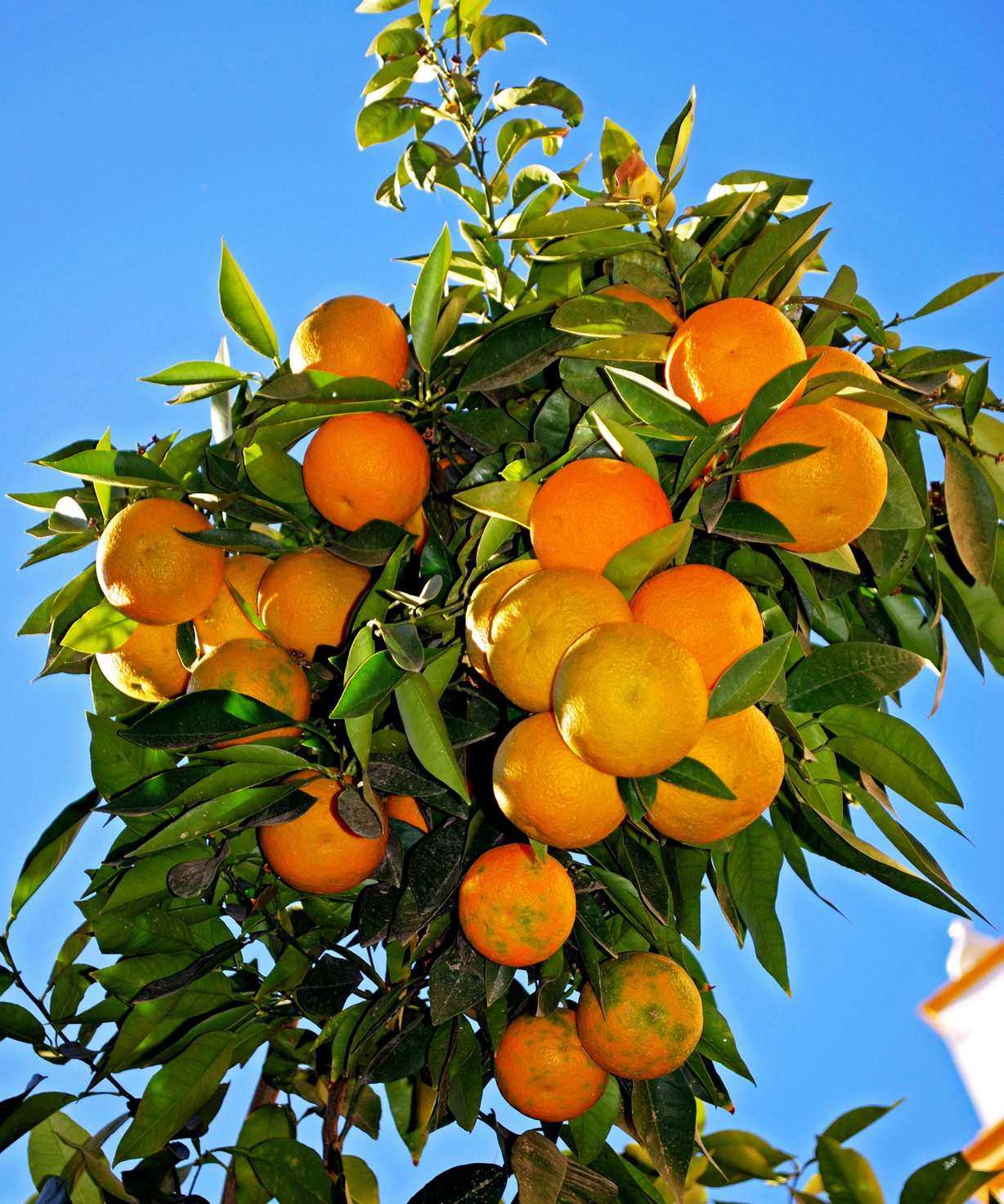
How to prune an orange tree - 6 steps to follow
Orange pruning need not be daunting. The tools required include a pair of pruning shears, loppers, and a pruning saw, depending on the tree's size. Here are six easy steps to follow for successful orange pruning.
1. Prune at the right time
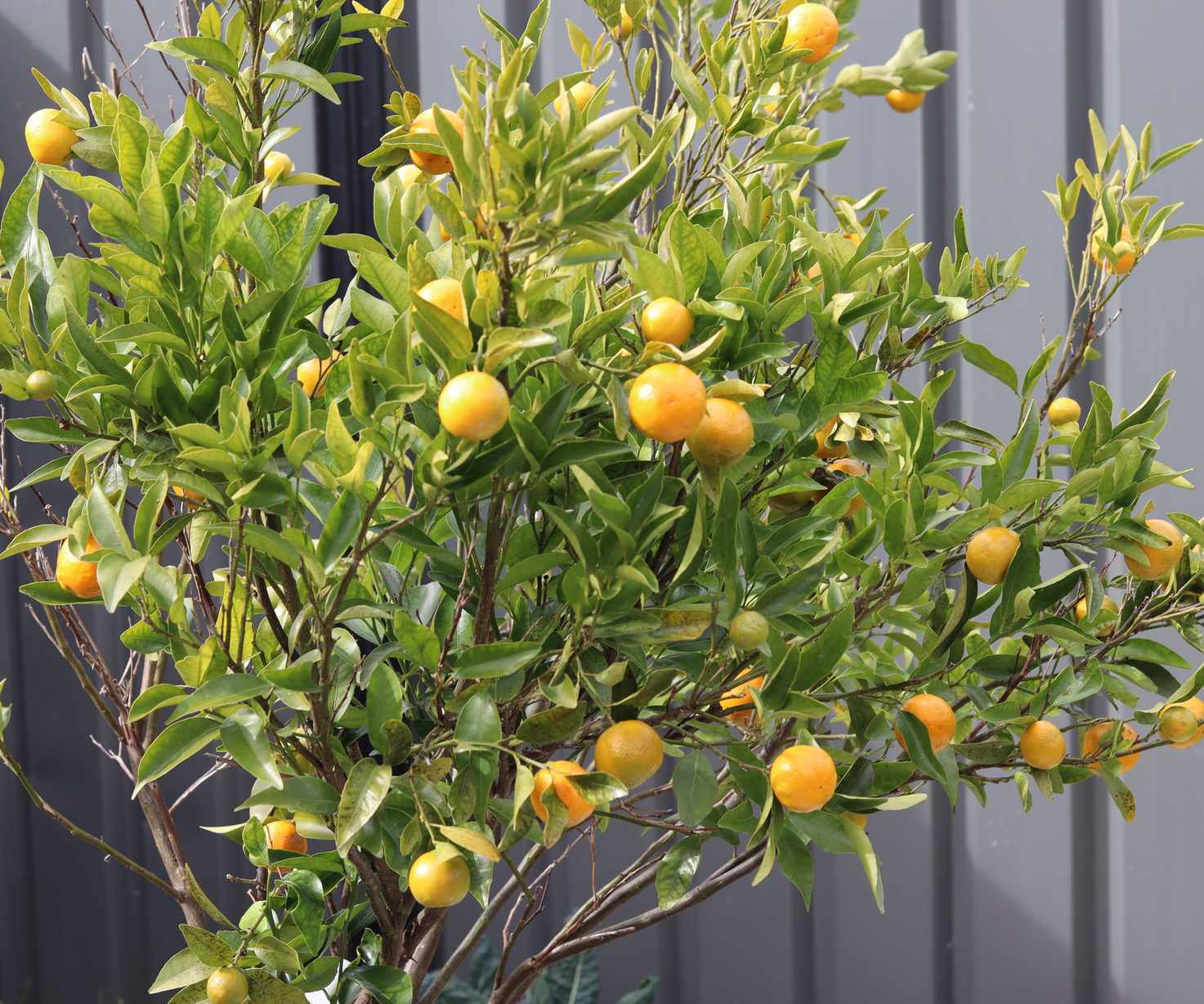
Pruning fruit trees at the correct time keeps them healthy and ensures they recover from trimming as best as possible. The best time to prune an orange tree is in late winter or early spring, just before new growth starts.
The perfect time to prune varies depending on your US hardiness zone, typically between February and April. Keep an eye on when frosts end in your climate and look for signs the orange tree is starting to burst into life.
Pruning during dormancy has several benefits. The tree conserves energy and can handle trimming best, recovering quickly when growth starts again in spring.
Valeria Nyman, Chief Product Officer of Taim.io, adds, 'If you prune when the tree is dormant, it won’t waste precious sap on branches you’re about to snip. Another bonus is that no fruit or flowers get in your way.'
2. Use clean and sharp tools
Using clean and sharp pruning shears is a prerequisite for any trimming. Sharp pruning tools make clean cuts easier to heal than jagged cuts from blunt or rusty tools, which can leave the tree at risk of pests and diseases.
3. Remove the 3D's
Begin by removing any dead, damaged, or diseased branches to keep the tree healthy. Closely inspect the tree and prune out any of the above, removing them completely back to where they meet a main branch or the trunk.
4. Thin the canopy
Look for branches that cross or crowd the center of the tree, along with any branches growing inwards. Annually thinning the canopy means better airflow and sunlight penetration, encouraging healthy growth and reducing the risk of diseases.
5. Remove sprouts and suckers
Take out suckers (the overly ambitious shoots at the base) and water sprouts (the tree’s equivalent of a bad haircut). Suckers appear from the base of the trunk and sprout from below the graft union, taking precious energy away from the rest of the orange tree.
6. Avoid heavy pruning
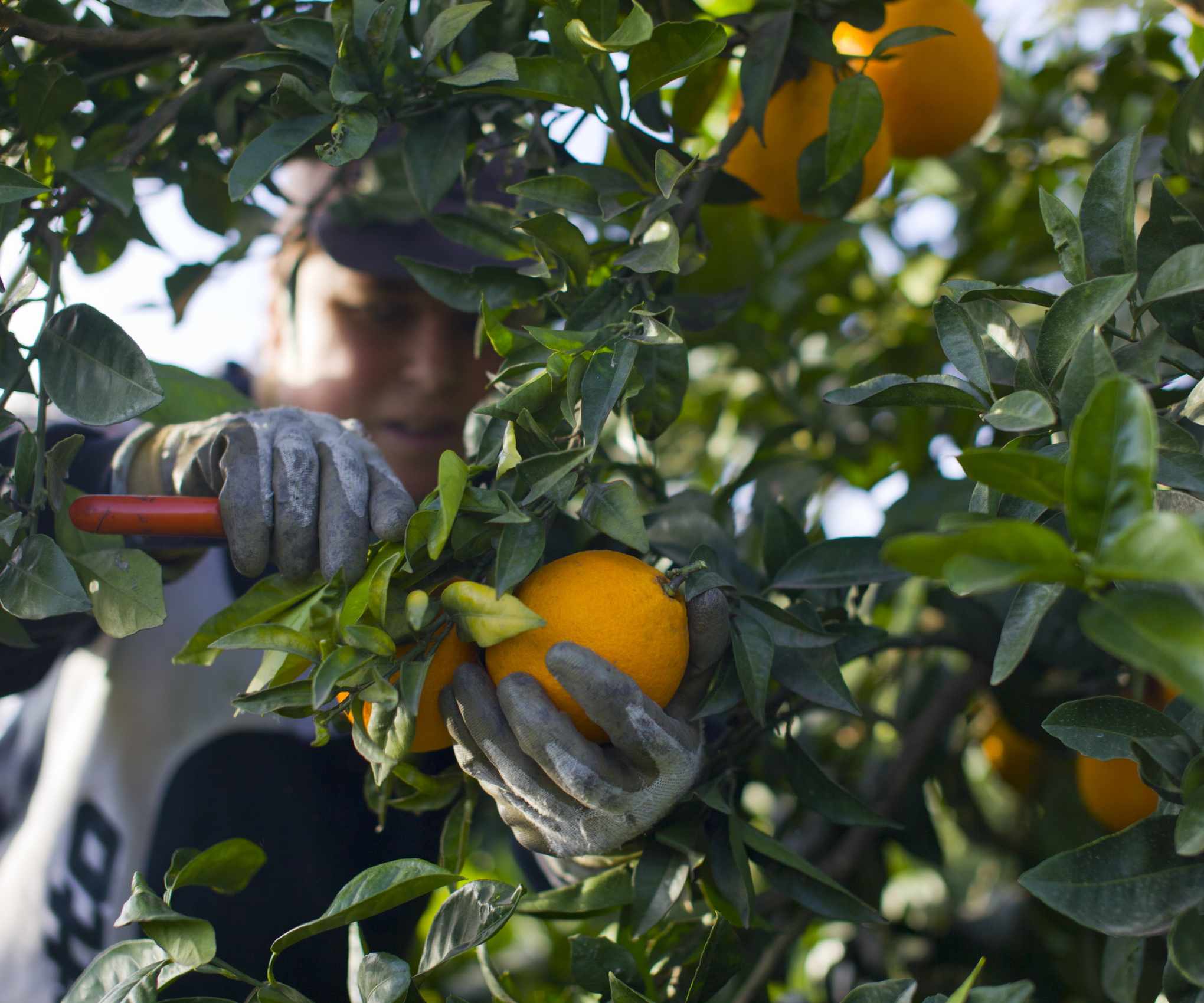
Heavy pruning can stress the orange tree. Be selective with your pruning and avoid taking more than a quarter-to-a-third of the plant material. A pruning mistake would be to remove more than this, as there would be no guarantee how the stressed tree would respond.
FAQs
Do orange trees need to be thinned out?
Thinning fruits means developing and ripening a selected number, rather than a larger amount of oranges that the tree cannot fully mature. With established orange trees, thinning fruits can reduce the load on branches to prevent them from cracking or splitting.
On top of pruning orange trees, fertilizing citrus trees is another essential task to get a great harvest of fruits. Feed trees in spring and summer with a specially formulated citrus fertilizer.