
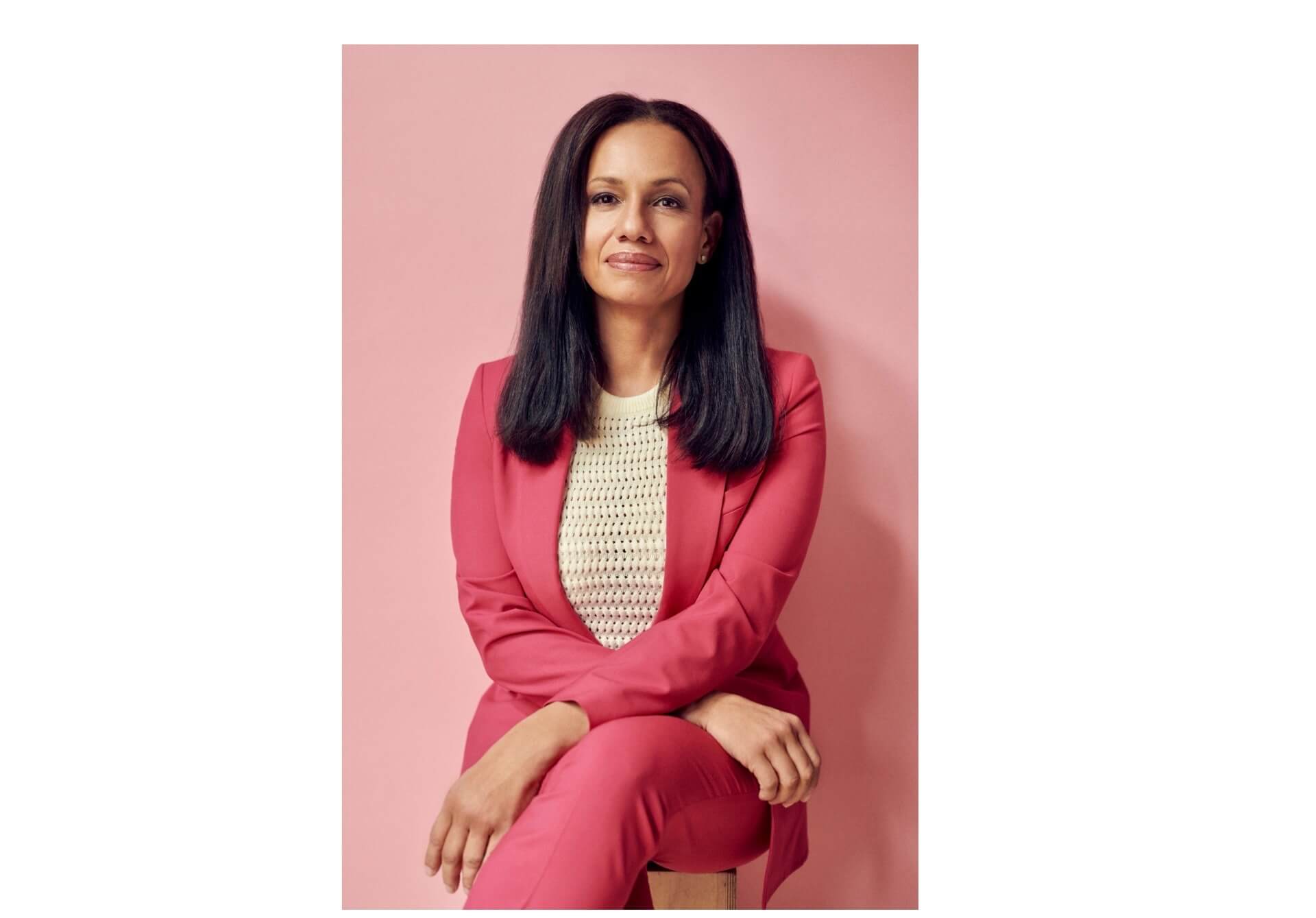
When Alexis McGill Johnson was asked by her fellow Planned Parenthood board members to step into the role of interim CEO in July 2019, her famous last words were, “I’ll get you through 2020.”
What followed was a pandemic and the Dobbs decision overturning Roe v. Wade. She officially took on the CEO title in 2020, and six years and countless challenges later, she still wakes up each day ready for the next fight. Because being CEO of Planned Parenthood, a job she describes as “all-consuming,” has put her on the front lines of one of the biggest political battles of our time.
Drive It Like You Stole It
Alexis McGill Johnson, whose background is as a professor, a researcher, a political organizer, and a corporate consultant, didn’t expect to be tapped for a CEO job centered on reproductive healthcare. And at first, she admits she approached the interim job as if she was a caretaker, making sure things were in good shape for the next leader. But one conversation changed all that.
A colleague watched Johnson operating and told her, “You are the CEO, and if you’re going to be in the seat, you better drive it like you stole it.” McGill Johnson describes the effect as something unlocking. She had been second-guessing herself, and the advice gave her permission to stop doing that and fully take the reins of the nation’s largest sexual and reproductive healthcare provider.
What’s at Stake
“We provide access to contraception, to wellness exams, to STI testing and treatment, to breast cancer screenings, to gender-affirming care, and abortion where it is legal, and we proudly do so,” McGill Johnson said of Planned Parenthood’s mission.
When Roe V. Wade was overturned by the Supreme Court via the Dobbs decision in 2022, it created a situation where the legality of abortion depended on where one lived. Currently, 20 states ban or severely restrict access to the procedure.
Planned Parenthood holds roughly 40% of the abortion market and sits, McGill Johnson notes, “at the intersection of a very critical part of the public health infrastructure.” She says they often serve in communities where other providers are limited or simply don’t exist.
Post-Dobbs, the battle over abortion rights continues on many fronts. The week Alexis McGill Johnson sat down with Karen Finerman for an episode of “How She Does It,” Louisiana asked the Supreme Court to weigh in on a lower court decision that would limit access to mifepristone, one of two FDA-approved drugs used in medication abortion.
“Two-thirds of women across this country use mifepristone for the gold standard of abortion care, as well as miscarriage care,” McGill Johnson noted. “And this just exemplifies the kind of attacks, the circular attacks, the cyclical attacks that we’re under.”
Leading The Long Game
“The opposition had a long game,” McGill Johnson notes. “My position is that we have to have an equally thought out a long game.” That means going beyond marches and press releases to change culture, shift narratives, foster destigmatization, and build durable political power.
McGill Johnson recognizes that those who support Planned Parenthood are largely locked out of structural power. Therefore, she believes it’s necessary to harness the group’s wide network through The Planned Parenthood Action Fund, the organization’s political advocacy arm.
“We have 20 million supporters. When I started in this role, we had 11 million. I like to say 20 million, that’s five times more than the NRA. You know, not that I’m competitive or anything,” McGill Johnson notes.
In addition, she says despite the new restrictions, they’ve seen an increase in women seeking out the procedure. “People who have been denied access to care have always found a way to get access to care, and that is really important because this is a fundamental, fire under freedom right, that can’t be extinguished,” said McGill Johnson.
The Value of Humanity
One core tenet of Alexis McGill Johnson’s leadership is the importance of maintaining her humanity. Reflecting on public reactions to the first assassination attempt on President Trump, she says she refused to partake in or dignify jokes made at his expense. “The more you feed into the harm to the other side, even if it is jocular in nature, the more you are feeding into your own dehumanization,” she says.
McGill Johnson points to images of adults jeering at children integrating schools in Arkansas in 1957. She believes it’s a cautionary portrait of what contempt does to the soul of a movement. “I never want to be in a space where I am laughing or creating the dehumanization of someone that I’m actually trying to build a bridge to.”
Movement Hope
Despite the opposition, she feels “hopelessness is a luxury.” When asked where she personally finds hope these days, she shifts the conversation to “movement hope.”
“Movement hope is hard,” she says. She describes it as what happens when a woman travels across state lines to seek care at a Planned Parenthood. She says it’s the hope that the woman will be able to be seen, and that there will be an infrastructure there to support her.
“Right now we have built a country where, depending on who you are and what zip code you’re born in, your life chances depend on what government option you got, and that’s not good enough, right?” McGill Johson said.
“I think we have to have an actual, real fight to ensure that we all get a national, durable, expansive right to reproductive freedom, because that’s the only way that ensures that we all are free.”