

When it comes to keeping surfaces spotless without damage, the right cleaning material makes all the difference. Soft cloth has become essential for anyone who values both performance and surface protection in daily cleaning routines.
Buttercloth shirts are extraordinarily soft and feel like you're wearing your favorite t-shirt. The patented 6-way stretch in Buttercloth allows for maximum movement and comfort. Icy Cotton® is a long fiber cotton infused with mint fibers that keeps you cool in the summer and warm in the winter. Buttercloth incorporates wrinkle-free technology in their shirts for convenience. Knitted fabrics are synonymous with winter apparel and lock in heat, while lightweight knitted fabrics are suitable for spring and summer attire.
What Is Soft Cloth?
Soft cloth refers to gentle, reusable textiles engineered for cleaning, polishing, and surface care across homes, vehicles, and commercial settings. These materials have become household staples for good reason.
Microfiber cloths can effectively remove up to 99% of bacteria using just water, making them an eco-friendly cleaning choice. Soft microfiber cloths ensure a scratch-free experience on sensitive items such as electronics and high-gloss furniture. Microfiber's split-fiber structure acts as tiny hooks that trap dust, grease, and microorganisms. Microfiber-based cloths are typically 100 times thinner than a human hair, providing a large surface area to lift debris. Flat, non-looped textures of microfiber cloths minimize the risk of snagging and leaving behind lint, making them ideal for optics and electronics. Dry microfiber cloths create a static charge that attracts dust, hair, and small particles. Soft cloths are specifically designed for light-duty cleaning applications. Soft cloths decrease the overuse of paper towels and associated costs. Soft cloths can be used wet or dry for repeated use to wipe up spills. Soft cloths are easily laundered for reuse time and time again.
- Non-scratching design: Glides over delicate surfaces like glass, electronics screens, and car paint without leaving marks
- High absorbency: Quality options absorb up to seven times their weight in liquid
- Comfortable handling: Built for prolonged use without causing hand fatigue
- Material variety: Made from microfiber, cotton, bamboo, or blends, each suited to specific tasks, similar to many of the soft fabrics commonly used in clothing and home textiles
- Versatile applications: Perfect for wiping mirrors, polishing vehicles, cleaning smartphones, and dusting furniture
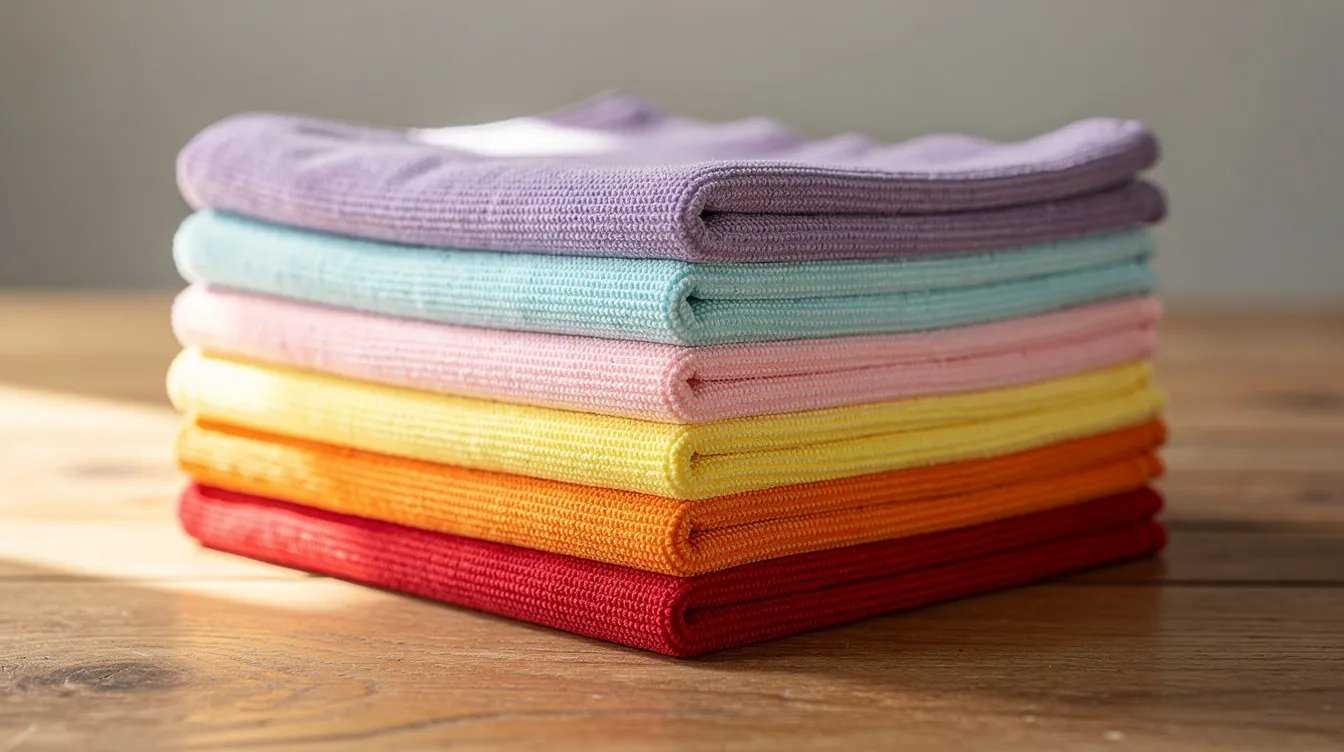
Types of Soft Cloth Materials
Understanding material differences helps you select the right cloth for each task, just as knowing the top soft fabrics to include in your wardrobe and home makes fabric shopping easier. Here’s what you’ll find on the market today:
- Microfiber: Ultra-fine synthetic fibers (1/100th the thickness of human hair) offer 99% dirt removal efficiency. Ideal for glass, mirrors, and automotive detailing since the early 2000s.
- 100% Cotton: Classic terry, flannel, and jersey weaves used for generations. Breathable and hypoallergenic, cotton allows 40% more air circulation than synthetics, making it a staple in soft, comfortable everyday clothing.
- Bamboo and bamboo-blends: Naturally soft with antimicrobial properties that reduce bacterial growth by 99%. Popular since 2010 among eco-conscious buyers and often enhanced with fabric softening methods that maximize comfort and durability.
- Specialty options: Suede-style cloths for buffing lacquer, waffle-weave for enhanced dirt-trapping, and plush varieties for jewelry and screens.
For lint-sensitive tasks, microfiber excels on windows while tight cotton weaves work best for electronics.
Key Properties of a Quality Soft Cloth
Not all cloths perform equally. Premium options balance several critical characteristics:
- Softness: Should glide smoothly without scratching, measured by friction coefficients low enough for car clear coats and eyewear
- Absorbency: Microfiber reaches 750% capacity; quality cotton ranges from 500-2000% depending on weave
- Low lint: Tight weaves shed under 0.5mg per wipe, critical for streak-free results on stainless steel
- Durability: Resists fraying after 200+ wash cycles in modern machines
- Easy care: Maintains performance through standard 30-40°C laundering, especially when paired with long‑lasting, high‑quality fabric softeners
A cloth that balances these properties will serve you well across multiple applications throughout its life.
Common Uses of Soft Cloth in Everyday Life
From morning routines to weekend projects, soft cloths appear everywhere:
Home Cleaning
- Dusting furniture and shelving
- Wiping kitchen counters and appliances
- Polishing bathroom mirrors streak-free
- Keeping stainless steel spotless
Automotive Care
- Drying vehicles after washing (microfiber siphons 99% of water)
- Applying and removing wax without swirl marks
- Cleaning dashboards and interior trim
Office and Tech
- Gently cleaning laptop and tablet screens
- Removing fingerprints from smartphones
- Wiping glass partitions without streaks
Personal and Hobby
- Caring for guitars, pianos, and other instruments
- Cleaning camera lenses with precision
- Maintaining collectibles and decor
Statistics show U.S. households use 10-20 cloths weekly, with detailing professionals reporting 50% faster workflows compared to disposables.
Soft fabrics can be used all year round for many different applications, such as clothing, crafts, and other artistic activities. Every soft fabric is manufactured in its own distinct way, depending upon the yarns used and whether it's natural or manmade. Knitted fabrics are made by looping the yarns continuously, producing a braided effect. Woven soft fabrics are manufactured by interlacing warp and weft yarns at right angles, producing a classic weave structure. Popular soft fabrics include Organza and plush velvet, each with its own individual properties. Organza is slightly stiff but malleable, making it a favorite for applique and bridal wear. Plush velvet is super soft and cuddly, making it perfect for blankets and cozy loungewear.
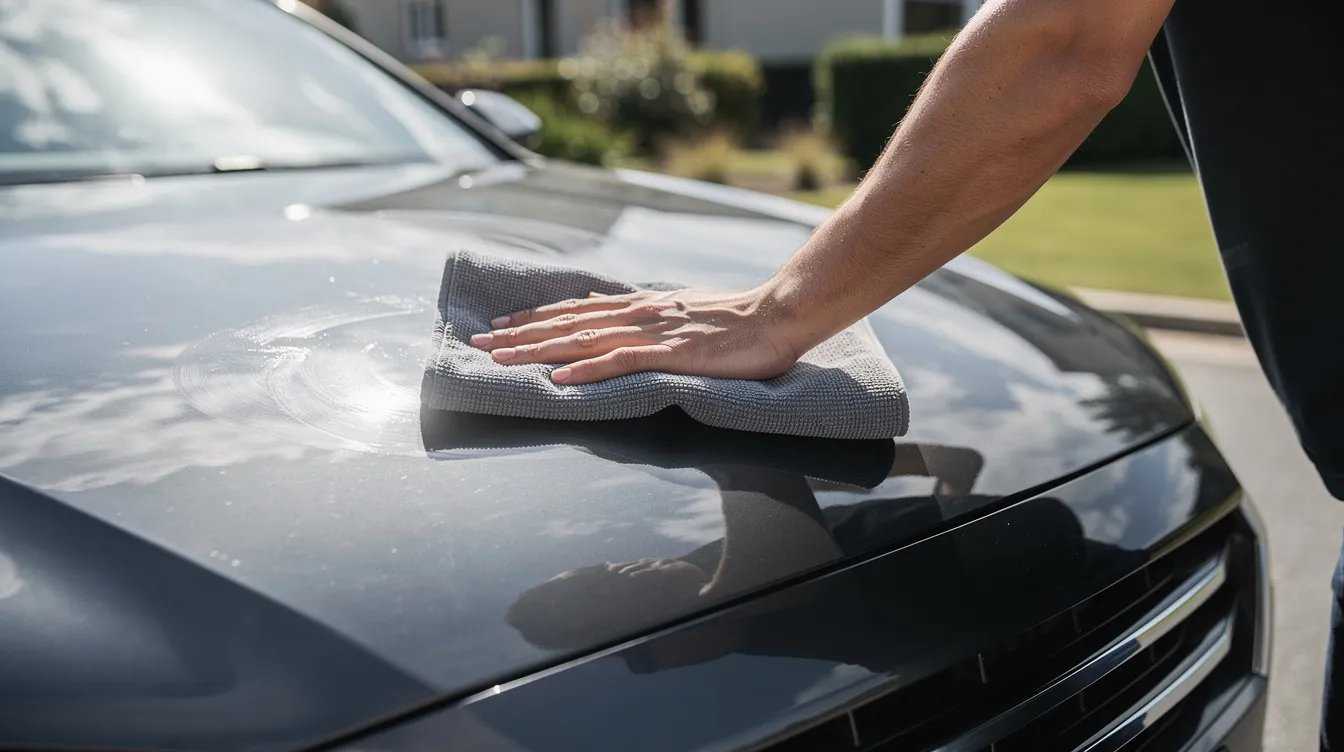
A person is using a soft cloth to polish the hood of a dark-colored car, ensuring it shines perfectly while maintaining its cool appearance. The scene conveys a sense of care and attention to detail, making the car look comfortable and well-maintained over time.
Advantages of Using Soft Cloth Over Disposable Wipes
The comparison between reusable cloths and single-use options reveals clear winners:
- Cost savings: One $5 microfiber cloth washed 52 times yearly offsets $50+ in paper towels, essentially a low monthly fee for superior cleaning
- Superior performance: Reusables absorb 3-7x more liquid and trap 99% of particulates
- Surface protection: Paper towels score 2-3 on Mohs hardness versus cloth’s gentler touch, protecting car paint and screens
- Sustainability: 90% waste reduction compared to disposables, with 80% lower carbon footprint
- Versatility: The same cloth shifts from kitchen spills to garage cleanup after proper washing
How to Care for and Maintain Soft Cloths
Proper care extends cloth life to 2-5 years. Follow these guidelines:
- Washing: Machine wash in warm water (30-40°C) with mild detergent. Avoid bleach (degrades fibers 25%) and fabric softeners (reduce absorbency 40%). For delicate textiles like viscose, follow expert washing and care guidelines to prevent shrinking or damage.
- Drying: Air-dry or tumble on low heat under 60°C to prevent shrinkage, a concern that’s especially important with viscose fabrics that can shrink in the wash
- Separation: Wash separately from lint-heavy fabrics to maintain low-lint properties
- Task-specific sets: Dedicate colors for specific uses—blue for glass, yellow for kitchen, grey for automotive
- Replacement timing: Downgrade worn cloths from delicate tasks to rougher chores
Color Coding and Organization Tips
Color-coding prevents cross-contamination and keeps cleaning efficient:
- Use distinct colors (red for bathroom, green for kitchen, blue for windows) to avoid spreading bacteria between areas
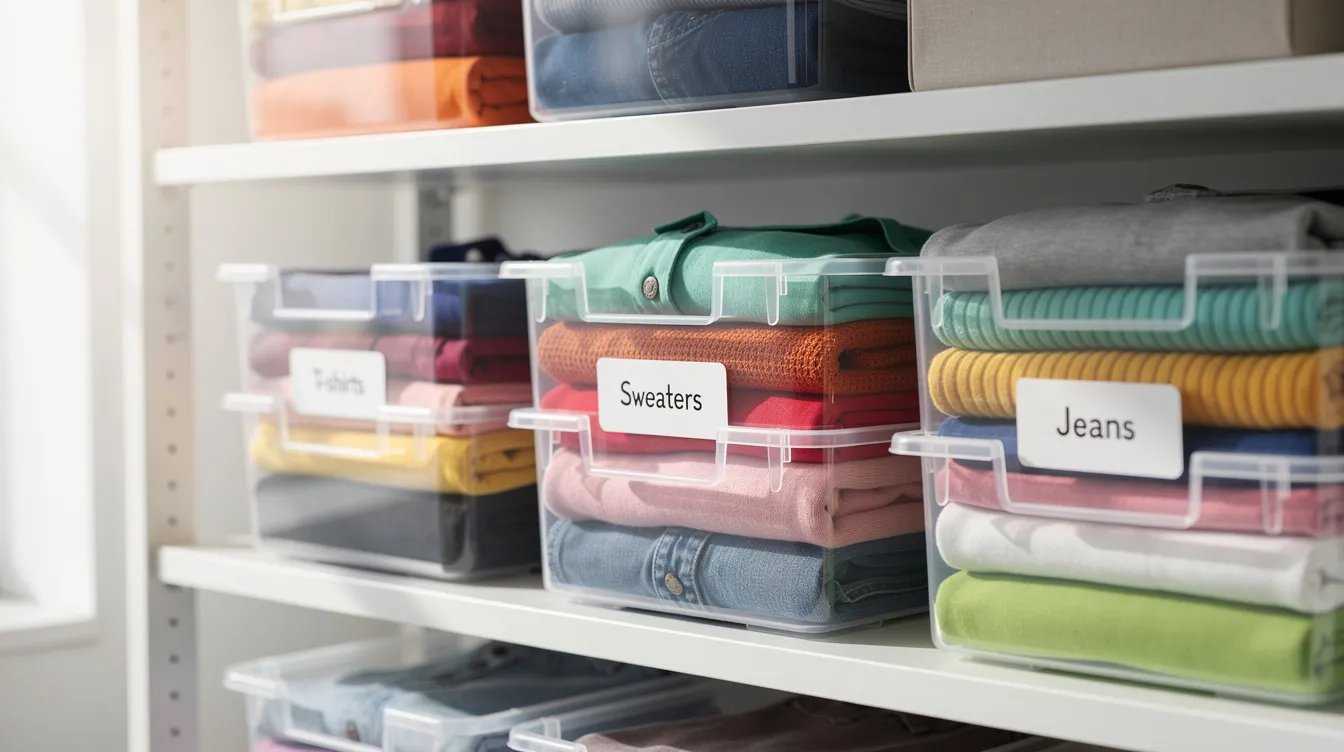
- Store folded cloths in labeled containers for quick access during cleaning time
- Consistent systems simplify staff training in cafés, car washes, and salons; businesses report 20% efficiency gains
- Medium-sized containers work well for organizing sets by room or task
Eco-Friendly and Reusable Soft Cloth Options
Modern sustainability trends have transformed soft cloth production:
- Recycled polyester microfiber: Introduced widely after 2020, uses 50% less production energy while matching standard performance
- Organic cotton: Avoids pesticides and chemical treatments, appealing to eco-conscious households
- Bamboo options: Regenerates without irrigation, naturally sustainable
- Waste reduction impact: A 10-cloth set replaces 5,000 disposable wipes yearly
Proper care maximizes environmental benefits; clothes maintained correctly offer an 80% lower carbon footprint than disposable alternatives.
Choosing the Right Soft Cloth for Your Needs
Building a comfortable, functional cleaning kit requires matching materials to tasks:
|
Task Type |
Recommended Material |
Why It Works |
|---|---|---|
|
Glass and mirrors |
Microfiber |
Streak-free, 98% water absorption |
|
Heavy spills |
Thick cotton terry or waffle-weave |
High capacity, cool under pressure |
|
Electronics screens |
Tight-weave cotton or suede-style |
Low lint, gentle contact |
|
Metal polishing |
Suede-style microfiber |
No swirl marks on high-gloss |
|
General household |
Multi-pack blends |
Versatile coverage |
|
Consider buying sets in multiple colors and textures so your household or business can create a tailored kit. This offer of variety ensures you’re prepared for any cleaning challenge. |
As surfaces and coatings continue evolving, including nano-ceramic paints requiring ultra-soft contact, soft cloth technology adapts alongside. What makes these materials timeless is their ability to wear well over years of use while delivering results that disposables simply cannot match. Start building your collection today, and you’ll quickly discover why professionals and homeowners alike have made the switch to reusable cleaning textiles.