Introduction to Women’s Underwear Styles
Knowing the different types of underwear for women matters more than most realize; it affects daily comfort, intimate health, and how your outfit looks from every angle. The right underwear style can eliminate visible panty lines under your favorite dress or provide the support you need during a long workday. This guide covers everyday silhouettes like briefs, bikinis, thongs, boyshorts, and hipsters, alongside specialty options including period panties, shapewear, and adaptive designs. ill-fitting underwear can distract you from your daily activities and affect your mood. Styles differ mainly by rise (where the waistband sits), leg cut, back coverage, and fabric, and most women benefit from owning 5-10 pairs across multiple types to cover daily, active, and special occasions.
Main Types of Underwear for Women
Women’s underwear serves essential roles: hygiene by creating a barrier against bacteria, protection from chafing, light support for the hips and lower abdomen, and a smooth foundation under clothes. The most common everyday silhouettes include briefs, bikinis, hipster, boyshort, thong, G-string, cheeky, Brazilian, high-cut, high-waisted, and boxer briefs, and understanding the best underwear for women across these styles helps match each cut to your needs. Function-focused panties like period underwear, adaptive designs, and shapewear also belong in a modern wardrobe.
The following sections break down each type with:
- Typical rise and coverage level
- Best outfits to pair with
- Who might love each style
- Fabric recommendations
Briefs: Classic Full-Coverage Underwear
Briefs are the timeless full coverage style, sitting at or near the natural waist with generous front and back coverage. They’ve remained a go to choice since the 1950s for women who prioritize comfort and security over minimal lines, reflecting a long evolution in women’s underwear history from highly structured garments to today’s softer, more practical designs.
- Rise options: Mid-rise sits 2-4 inches below the belly button; high rise reaches the navel or above for vintage appeal and tummy smoothing
- Leg openings: Traditional straight cut for modesty or slightly angled for easier movement
- Back coverage: 90-100% butt coverage, excellent under jeans, work trousers, and A-line dresses
- Best for: Lounging, sleeping, and days when maximum comfort matters more than seamless fit
- Fabric choices: Cotton for everyday wear (absorbs 20% body moisture), modal for a silky feel, microfiber for smoother lines, always choose breathable gussets to maintain pH balance
- Variations: Standard briefs vs. high-rise briefs (smooth 1-2 inches of tummy) vs. control briefs (light compression for events)
Bikini Underwear
Bikini cut underwear features a low-to-mid-rise waistband with narrower sides and higher-cut legs than traditional briefs. This style emerged in the 1960s alongside swimsuit trends and remains the default everyday underwear for roughly 60% of women.
- Coverage level: Medium coverage, 60-70% front and back, more revealing than briefs but modest compared to cheekies
- Best outfits: Low rise jeans, mid-rise shorts, casual dresses, and athleisure where flexibility prevents bunching
- Fabrics: Cotton blends for 8+ hour breathability, bamboo (wicks moisture 3x faster than cotton), stretch microfiber for seamless fit under yoga pants, lace trims for aesthetic appeal
- Comfort tip: Elastic at the waist and legs should lie flat without digging, this determines whether bikinis feel like a second skin or an annoyance
- Why they work: Balance of coverage and freedom makes them a great choice for nearly any body type
Hipster Underwear
The hipster style sits low on the hips with a wide side panel and straight-across waistband, offering more coverage than bikinis but with a lower rise than full briefs. They’re designed for women who want security without a waistband creeping above their jeans.
- Fit: Low-rise, sitting 2-4 inches below the navel, with 70-80% back coverage
- Ideal for: Low-rise jeans, casual weekend outfits, and days when you want curves covered without high-waisted styles
- Variations: Seamless hipsters for no-show lines, lace hipsters for softer decorative edges
- Compared to boyshorts: Hipsters share a similar horizontal waistline but feature a higher cut leg and slightly less thigh coverage
- Materials: Modal-microfiber blends that stretch up to 200% without losing shape after dozens of washes
Boyshorts & Women’s Boxers
Boyshorts and women’s boxers borrow from menswear cuts, offering plenty of length and coverage for those who prefer more fabric between skin and clothing, and a detailed guide to what boyshorts are and how they fit can help you decide if this full-coverage style suits your wardrobe.
Boyshorts:
- Sit on hips or slightly higher with straight leg openings across upper thighs
- Provide 85-95% butt and hip coverage
- Reduce thigh friction by up to 70% in warm weather
- Perfect under sundresses, flowy skirts, and relaxed jeans
Women’s Boxers/Boxer Briefs:
- Longer legs extending to mid-thigh
- Ideal for lounging, sleeping, or as “house shorts”
- Provide modesty on windy days and anti-chafing benefits
Best materials: Cotton, modal, and bamboo for breathability; seamless versions create smoother lines under knit dresses. Boy shorts suit square and heart-shaped figures by providing even coverage without gaping.

Thong & G-String Underwear
Thong underwear and G-strings deliver minimal coverage designed to eliminate panty lines under fitted clothes. When you need a flattering look in bodycon dresses or tailored trousers, these styles disappear completely, and many people appreciate the confidence and comfort of thongs and G-strings when they’re made from soft, high-quality fabrics.
- Thong: Narrow T-shaped back panel (20-30% butt coverage), bikini-like front, low or mid-rise waistband, ideal if you understand the differences between G-strings and thongs and want a slightly fuller minimalist option
- G-string: Ultra-thin back strap offering the least amount of coverage (<10%), barely-there sensation, making them a go-to once you compare G-strings vs. thongs and their key differences
- Best outfits: Bodycon dresses, leggings, formalwear, and any outfit where you must avoid visible panty lines, especially when you choose nude G-string underwear for a discreet look
- Comfort tips: Correct sizing prevents digging; choose soft modal or microfiber with cotton gussets; avoid on days when irritated skin needs less friction
- Variants: T-strings and V-strings offer even thinner profiles for yoga and athletic wear, so it helps to understand the fine line between thongs and G-strings when choosing how minimal you want your coverage to be; V-string styles use a distinctive V-shaped back to stay invisible under ultra-fitted outfits
- Care: Use delicate wash bags for lace styles to preserve elasticity (typically lasts 6-12 months)
Cheeky & Brazilian Panties
Cheeky and Brazilian styles offer a middle ground between bikini modesty and thong minimalism. They’re designed to feel confident and look playful without going completely bare.
- Cheeky panties: Mid-to-low-rise with moderate front coverage and a higher cut back revealing the lower buttocks (40-50% coverage)
- Brazilian panties: Similar to cheeky but with narrower back panels (30-40% coverage) that curve into the cheeks for a visually lifted effect
- Best wear: Slim jeans, knit skirts, and outfits where you want shape without full lines
- Materials: Stretch lace, seamless microfiber with laser-cut edges, cotton blends
- Body benefits: Visually elongates legs 10-15% and lifts the rear, suits square and heart-shaped figures especially well
High-Waisted & High-Cut (French-Cut) Underwear
Retro-inspired high waisted underwear has made a major comeback, offering plenty of tummy coverage and a smooth silhouette under modern high waisted pants and pencil skirts.
- High-waisted panties: Waistband sits above the navel (sometimes 2-3 inches above), providing as much coverage as possible while smoothing the midsection
- High-cut/French-cut: Leg openings angle high above the hip bone while the waistband may be mid or higher cut, creating a longer-leg look ideal for petite frames
- Best use cases: High waisted styles pair perfectly with pencil skirts, bodycon dresses, and any outfit requiring gentle shaping without full shapewear
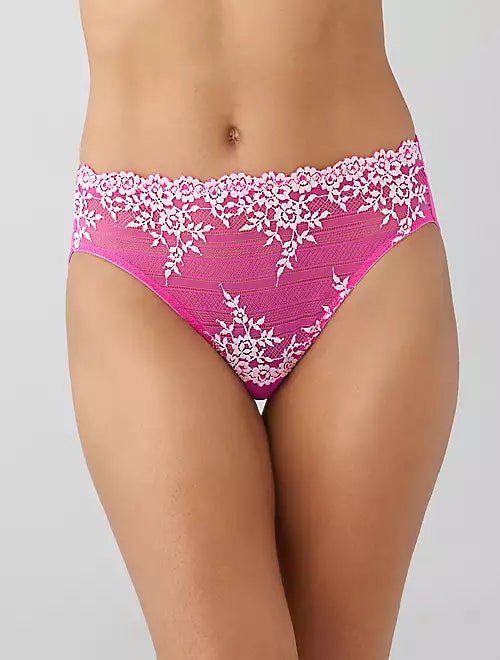
- Available in: Briefs, cheekies, and even thongs, so you can choose your preferred coverage level with the rise you want
- Key distinction: High-waisted refers to vertical waist height; high-cut refers to horizontal leg shape, they can combine or exist separately
Specialty Panties: Period, Shapewear & Adaptive
Specialty underwear addresses specific needs beyond daily wear. Whether you’re managing your cycle, smoothing your silhouette, or need accessible designs, these functional styles belong in every well-rounded drawer.
Period Panties
Period panties are reusable, absorbent underwear designed to replace or back up pads, liners, or tampons during menstruation.
- How they work: Multi-layer gusset with moisture-wicking top, absorbent core (holds 10-100ml depending on style), and leak-resistant outer layer
- Use cases: Light-flow days, heavy days as backup to cups or tampons, overnight protection
- Care: Cold rinse after wear, machine wash without fabric softener, air-dry to preserve waterproof layers
- Benefits: Can last 2-5 years with proper care, saving $100-200 annually compared to disposables
Shapewear Panties & Shaping Shorts
Shapewear panties feature built-in compression targeting tummy, hips, and sometimes thighs for a smoother line under clothing.
- Types: Control briefs (tummy focus), high-waist shaping panties (hips and waist), shaping shorts (thighs plus anti-chafing)
- When to wear: Special occasions, formal dresses, office outfits with slim skirts
- Materials: Nylon-spandex blends with bonded seams and laser-cut edges for invisibility
- Reality check: Shapewear smooths contours 20-30%, it enhances your own skin and curves rather than transforming them completely
Adaptive Underwear
Adaptive panties are designed for people with disabilities, chronic pain, limited mobility, or sensory sensitivity.
- Design features: Side or front openings with Velcro or magnetic closures, wide stretchy waistbands, tagless labels, ultra-soft fabrics
- Helpful for: Post-surgery recovery, arthritis, neurodivergent wearers needing fewer seams and textures
- Key benefit: Easier dressing while seated, wheelchair users can dress up to 50% faster, promoting independence and dignity
Slip Shorts & Anti-Chafing Underwear
Slip shorts blend undies and shorts to prevent thigh chafe, provide coverage, and smooth lines under dresses and skirts. They’re essential for summer wardrobes and travel days.
- Design: Mid-to-high-rise waistband with legs extending from upper to mid-thigh, soft stretchy fabrics with flat seams
- Use cases: Summer dresses, skirts, wide-leg trousers, festivals, and travel involving lots of walking
- Types: Some include a gusset as standalone underwear; others layer over your favorite pair of panties
- Fabric options: Lightweight microfiber for hot climates, cotton-modal for everyday comfort
- Fit tip: Match leg length to dress hemline and look for silicone grip hems to prevent rolling
Choosing the Right Underwear Fabric
Style decides coverage, but the right fabric determines breathability, softness, and long-term comfort against your skin.
- Cotton: Breathable, absorbs moisture well, ideal for everyday comfort, but can hold moisture longer than synthetics
- Modal/Bamboo: 50% more absorbent than cotton, antimicrobial properties, exceptionally soft
- Microfiber: Quick-dry, seamless fit under tight outfits, but choose vented styles to prevent heat trapping
- Technical wicking: Poly-mesh blends for workouts that evaporate sweat 3x faster
- Lace: Beautiful for special occasions but requires gentle washing to avoid shrinkage
- Essential rule: The gusset should always be breathable cotton to maintain pH balance and prevent irritation
Fit, Care & Replacement: Making Your Underwear Last
Even the perfect underwear style fails if the fit is wrong or pieces become over worn and stretched out.
Signs of poor fit:
- Waistband digging or rolling after 30 minutes of wear
- Leg openings cutting into skin
- Gusset not sitting flat
- Fabric constantly riding up
Care guidelines:
- Change at least once daily
- Wash in cool or warm water with gentle detergent
- Air-dry to preserve elastics (doubles lifespan)
Replacement timeline: Every 6-12 months for daily-wear pairs; sooner if elastics slacken, fabric thins, or odors persist despite washing, which aligns with advice on why most women need to replace underwear every year.
Building your drawer: Aim for 40% bikinis and briefs, 20% thongs, 20% boy shorts, and 10% specialty pieces. Experimenting with different types of underwear is the best way to find your perfect fit and discover which styles make you feel confident every single day. Shop intentionally, care for what you own, and your wardrobe foundation will serve you well.